- DARK SKY®
- OBSERVATORY
- WHAT TO DO
- STAY & DINE
- DARK SKY® VOUCHERS
- STORE
- CONTACT US
 EN
EN
EN
 EN
EN
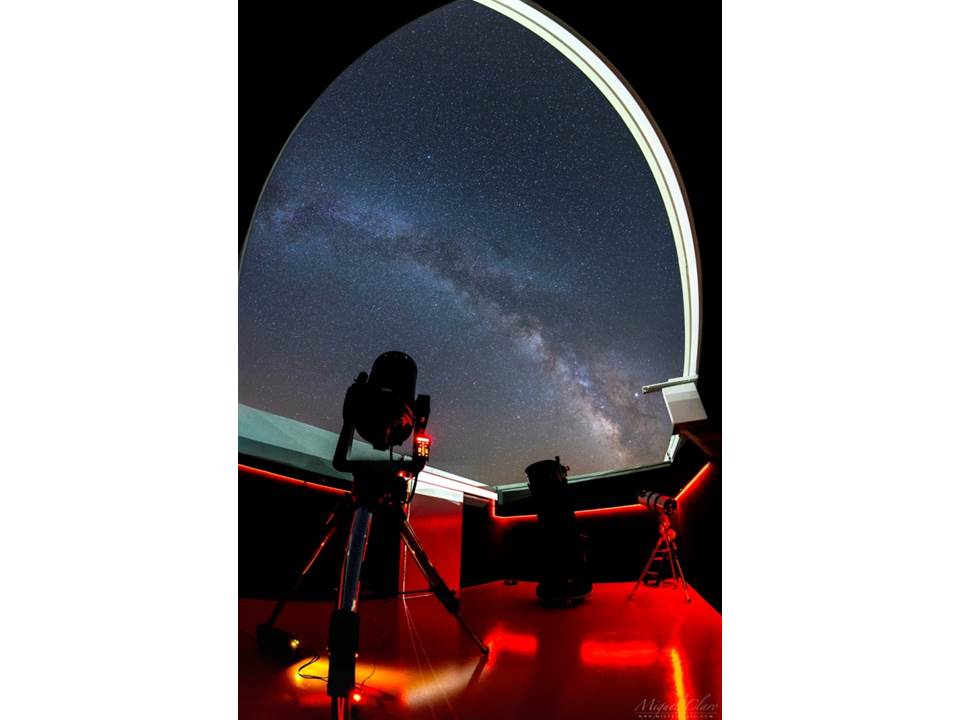
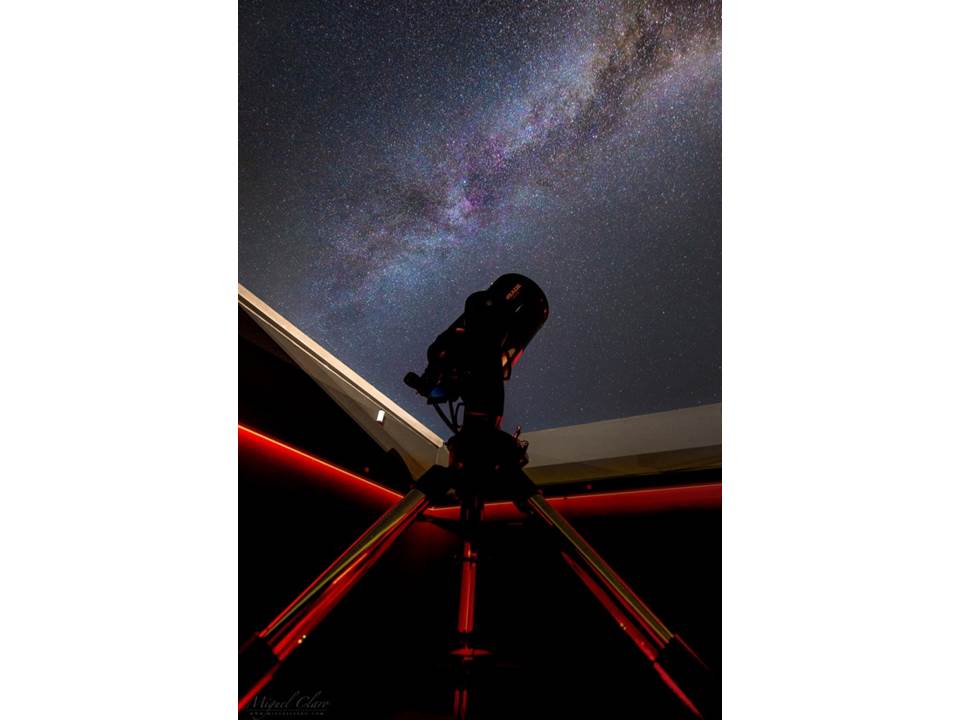
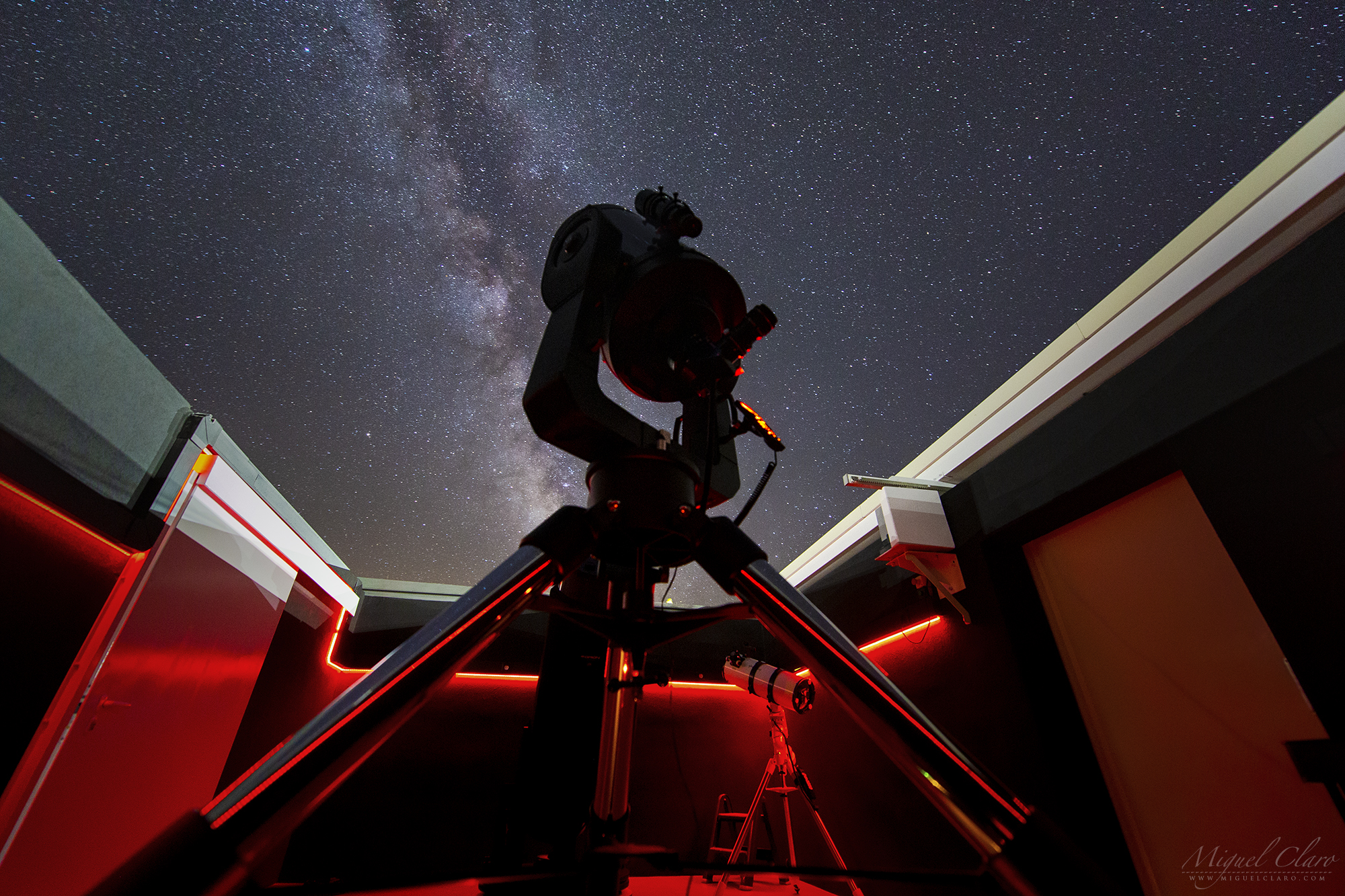
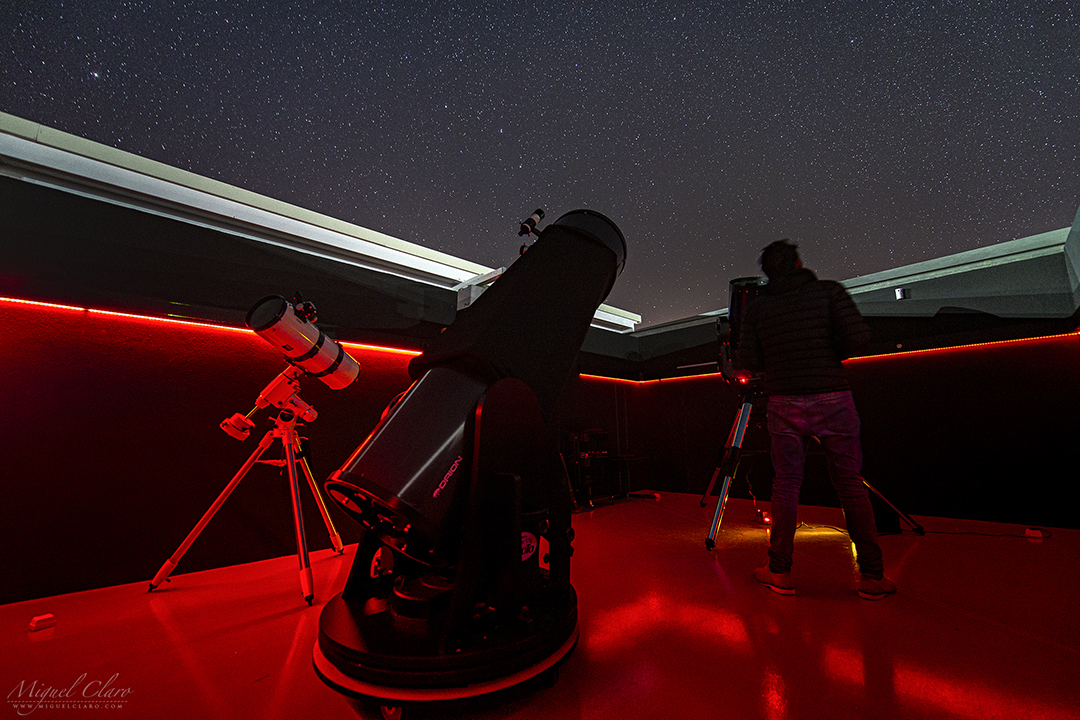
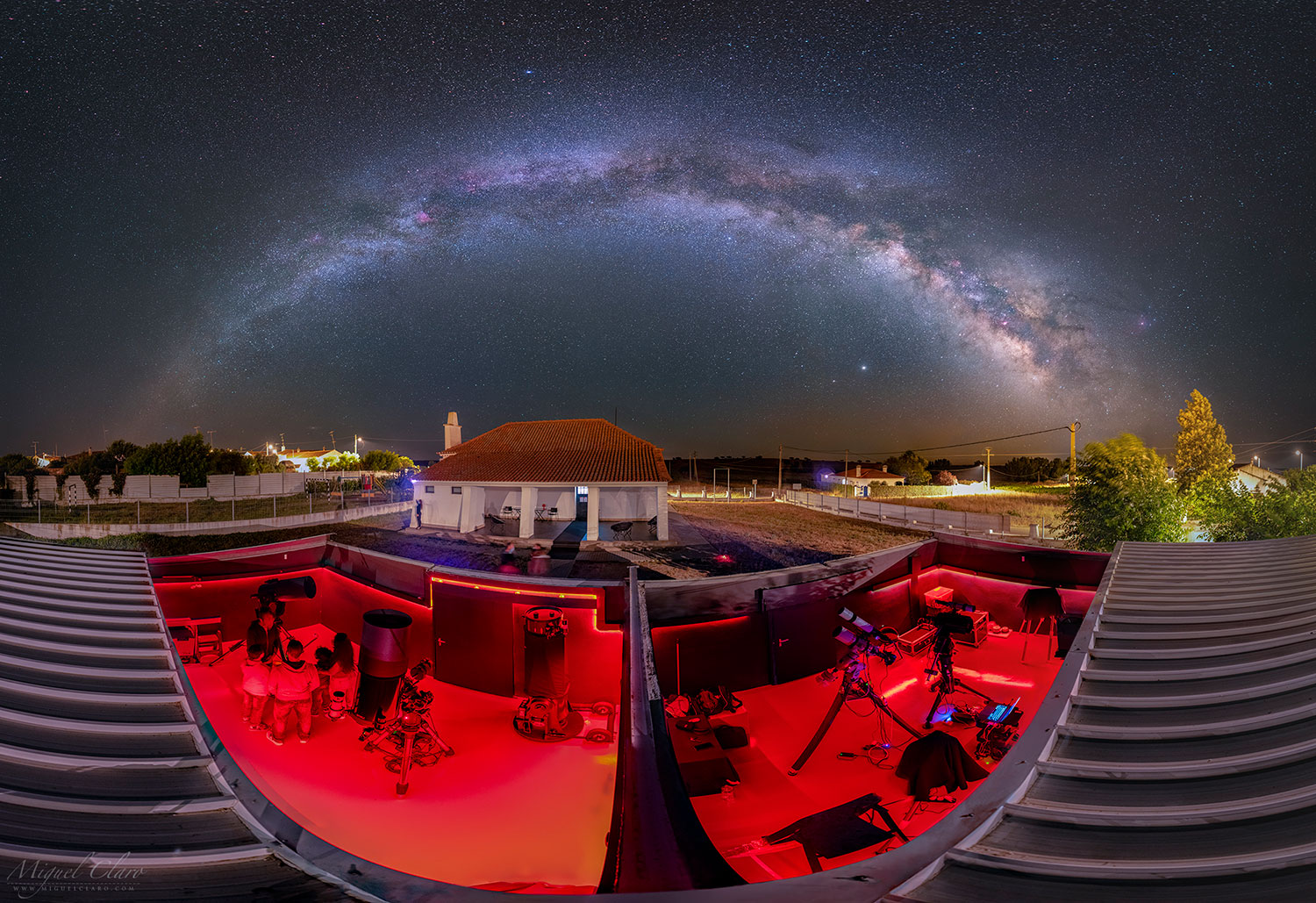
The activity takes place at the Official Dark Sky® Observatory, located in the village of Cumeada, in the heart of the Dark Sky® Alqueva Reserve, one of the darkest and best-preserved night sky regions in Europe.
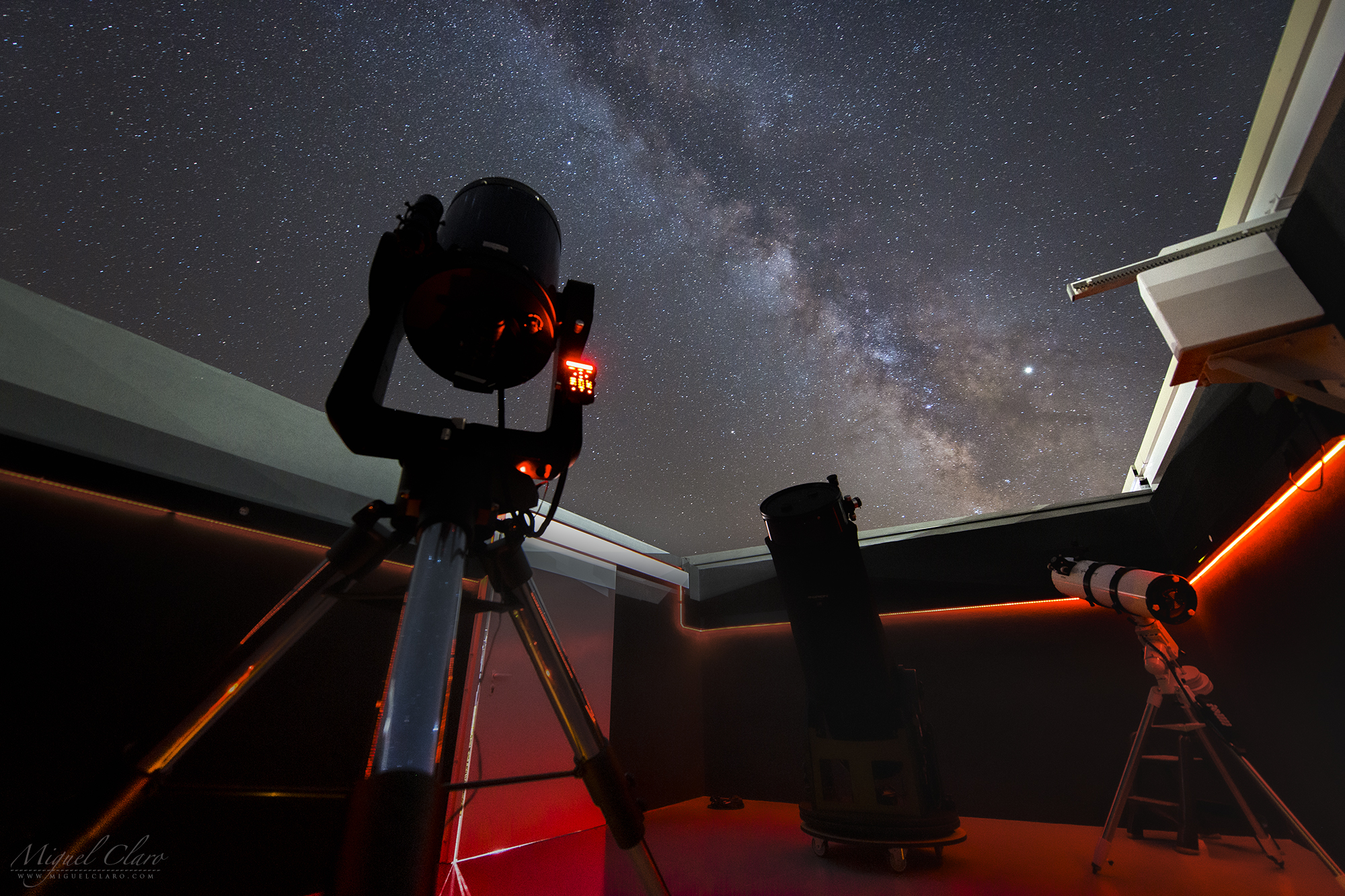
Each session lasts approximately 1 hour and 15 minutes and consists of a guided astronomical observation experience led by a specialized Dark Sky® Guide. The activity begins with a brief introduction to the sky visible that night, followed by direct observation through high-quality optical telescopes, carefully calibrated to provide sharp and detailed views of celestial objects.
During the session, participants have the opportunity to identify and understand:
The experience combines science and contemplation, offering an accessible yet scientifically rigorous interpretation of the night sky.
Sessions take place from Tuesday to Saturday, by mandatory prior booking. Scheduling takes into account several astronomical and operational factors, namely:
Each night, two observation sessions are held, one in Portuguese and one in English, at alternating times, welcoming both national and international visitors.
This is an immersive and distinctive experience, ideal for those wishing to discover the depth and beauty of the universe under one of Europe’s darkest skies.
SCHEDULE:
Observation sessions take place from Tuesday to Saturday.
Starting times vary throughout the year according to sunset time and seasonal daylight-saving adjustments. As a general rule, the activity begins approximately one hour after sunset.
STARGAZING SESSION PRICING:
From May to September: €30 per person
From October to April: €25 per person
Children aged 8 to 12: €10
Children up to 7 years old: free of charge
If weather conditions do not allow telescope observation, the activity is not automatically canceled.
In such cases, an alternative indoor session is offered in the Observatory auditorium, where an interpretative presentation is given about the night sky, astronomy, and the objects that were planned for observation. Participation in this alternative session is optional.
If preferred, you may reschedule your participation for another date, subject to availability.
To ensure effective communication, we retain your contact details in order to inform you in a timely manner should weather conditions raise concerns about the session. However, please note that final sky assessment can sometimes only be confirmed close to the scheduled time. If you are not contacted, it means that conditions are favorable, or highly likely to allow the session to proceed as planned.
Your contact details will not be used for promotional or marketing communications. They are used exclusively for operational purposes, namely to inform you about weather conditions or any updates related to your session.
There is not necessarily a “best” time of year to observe the sky, but rather a best phase of the month.
For a true dark-sky experience, we recommend choosing nights with little or no Moon presence, especially avoiding dates around the Full Moon.
Moonlight increases background sky brightness and reduces contrast, making it more difficult to observe faint and diffuse astronomical objects such as nebulae and galaxies. On Moonless nights, the sky is darker, allowing subtle details and delicate structures to stand out more clearly.
In the registration form, under the “Observations” section, please indicate the month in which you plan to visit. Based on that information, we will gladly suggest the most suitable dates for an optimal observing experience.
No. Although the presence of the Moon reduces night-sky contrast and limits observation of certain faint objects, our guides are fully prepared to adapt the session program to the specific conditions of each night, ensuring an engaging and high-quality experience.
On Moonlit nights, specific targets that benefit from its presence are prioritized, and special content is prepared specifically for these occasions.
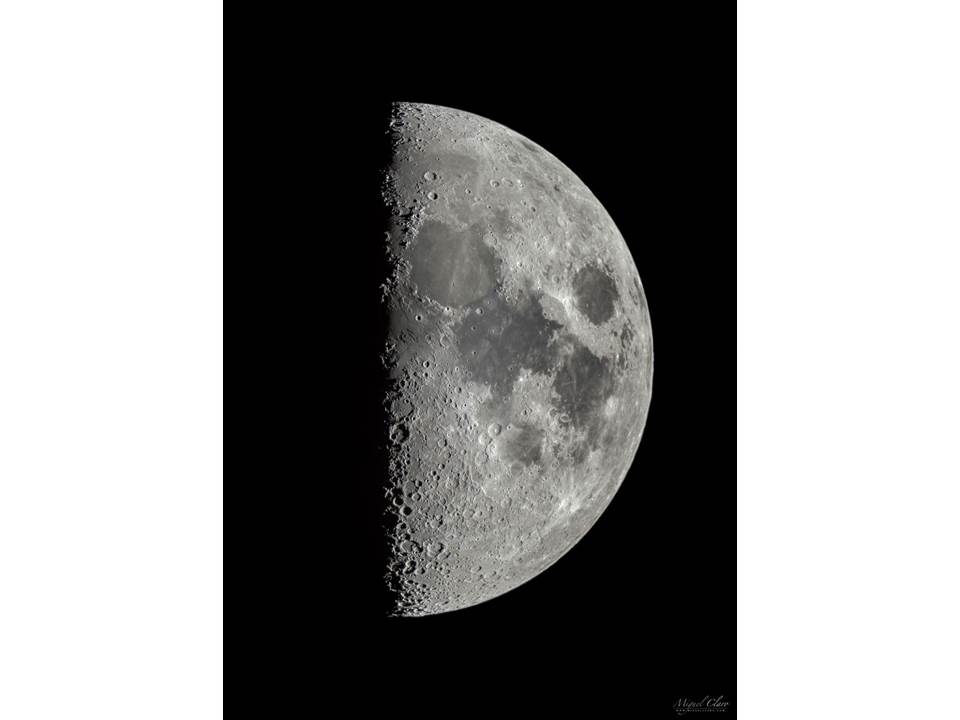
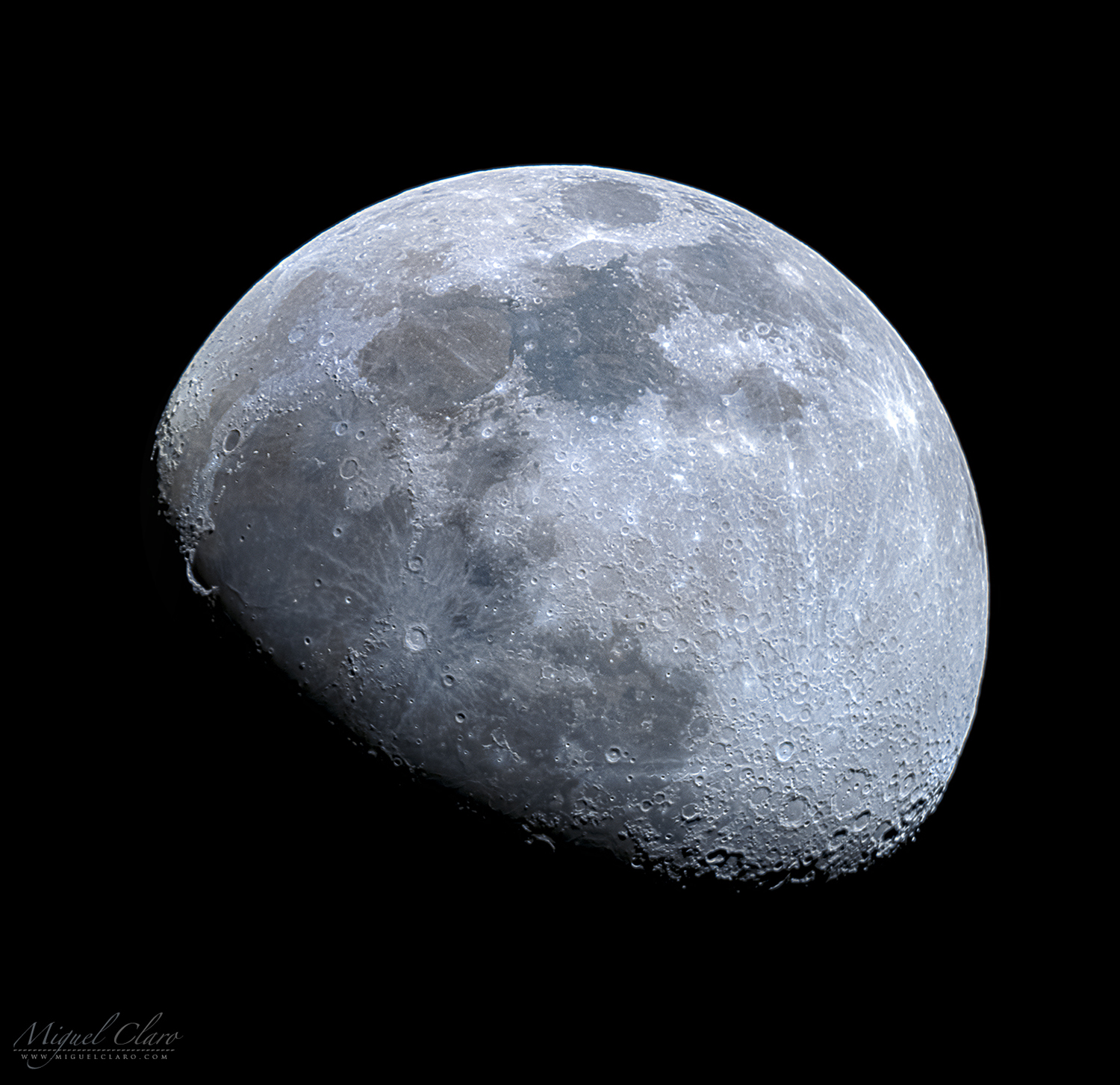
Observing the Moon itself through the telescope is, for many visitors, one of the most impressive moments of the session, allowing close-up exploration of craters, lunar seas, and mountain ranges.
Spring in the Northern Hemisphere, especially from late March to mid-June, is considered the prime season for galaxy observation. During this period, particularly rich regions of the sky reach higher altitudes above the horizon in the early hours of the night.
When objects are higher in the sky, their light travels through a thinner layer of Earth’s atmosphere, improving transparency and contrast.
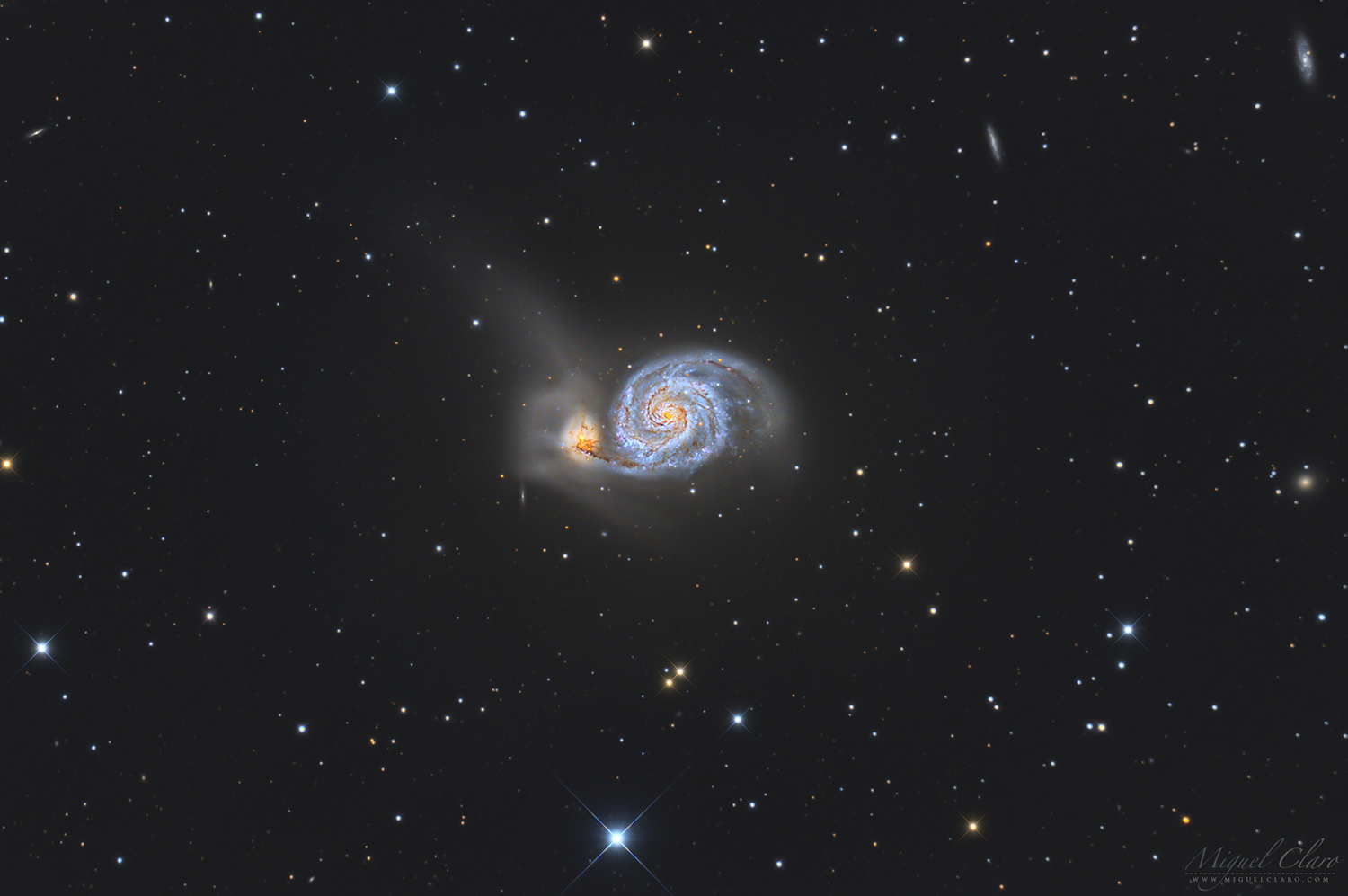
At this time of year, it is possible to observe well-known and visually striking galaxies such as the Cigar Galaxy, Bode’s Galaxy, the Pinwheel Galaxy, and the Leo Triplet, among many others. These objects lie millions of light-years away and allow participants to observe extragalactic structures beyond the Milky Way.
Spring thus offers an ideal combination of celestial positioning and abundance of deep-sky targets for those wishing to explore the universe beyond our galaxy.
Planet visibility varies throughout the year, as planets are constantly moving in their orbits around the Sun. Their position in the sky, rising and setting times, and optimal viewing conditions depend on each planet’s specific orbital configuration.
For outer planets (such as Mars, Jupiter, or Saturn), the most favorable time usually occurs at opposition, when Earth lies between the planet and the Sun. At this alignment, the planet is closest to Earth, appears brighter, and is visible throughout the night.
For inner planets (Mercury and Venus), the relevant phenomenon is elongation, their greatest apparent angular separation from the Sun. Since they orbit closer to the Sun than Earth, they are only visible shortly before sunrise or after sunset, depending on whether they are at western or eastern elongation.
For this reason, no fixed time of year is universally ideal for observing a specific planet.
We recommend sending us an email indicating which planet you wish to observe. Based on updated astronomical ephemerides, we will gladly advise on the most favorable period.
It may be possible, depending on the object’s celestial coordinates and its visibility from our location.
Please send us a copy of the registration document including the astronomical coordinates (Right Ascension and Declination). Our Observatory team will assess whether the object is observable from our latitude, considering factors such as maximum altitude above the horizon, season, visibility time, and apparent magnitude.
If suitable, we can schedule a session to observe the object through our telescopes.
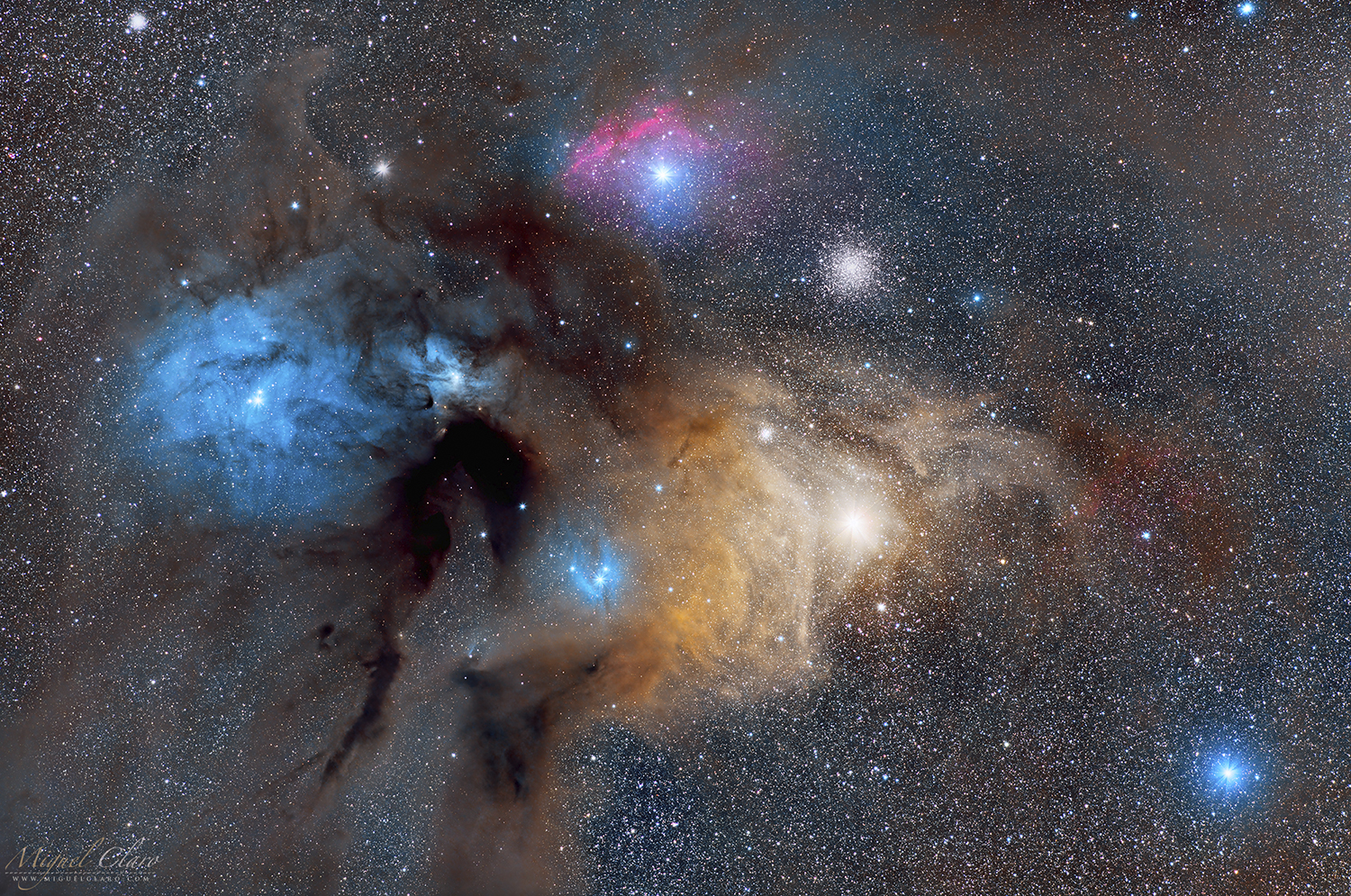
If you wish to obtain an astrophotographic record, this may be arranged by prior booking with our astrophotographer Miguel Claro, as astrophotography requires specific technical planning, including exposure time, instrumentation setup, and favorable atmospheric conditions.
Important note: many commercial “star naming” registrations are symbolic and do not correspond to officially recognized scientific designations. The formal naming of stars is the responsibility of the International Astronomical Union (IAU), the global authority for astronomical nomenclature. Nevertheless, if valid coordinates are provided, we will gladly assess the possibility of observing the indicated object.
No. Sessions are designed for audiences of all ages and levels of knowledge. No prior training in astronomy or astrophysics is required.
Scientific concepts are presented clearly and accessibly, maintaining rigor while avoiding unnecessary technical complexity. The goal is not to deliver a formal lecture, but rather an experience of discovery, understanding, and contemplation.
Participation is encouraged throughout the session, and visitors are invited to ask questions and interact with the guide, making the experience dynamic and adapted to the group’s interests.
It depends primarily on the child’s interest and motivation.
When there is prior curiosity about the sky, space, or planets, the experience tends to be positive and memorable. However, sessions take place at night and require a degree of attention, patience, and some capacity for abstraction.
Deep-sky observation sessions, which include nebulae, star clusters, and galaxies, can be more abstract for younger children. These objects are naturally faint and diffuse, requiring interpretation and contextual explanation. Their appearance is not always immediate, which may reduce engagement in younger ages.
For younger children, we generally recommend sessions where the Moon is visible. Lunar observation is more direct, visually striking, and intuitive, allowing detailed exploration of craters, maria, and mountain ranges.
As a general guideline, we recommend the activity for children aged 6–7 years and older, although this is indicative rather than strict. More important than age is the child’s interest, attention span, and comfort in a nighttime outdoor setting.
For very young children or those without specific interest, the late schedule and contemplative nature of part of the session may lead to reduced engagement.
We encourage parents or guardians to consider the child’s profile, bearing in mind that this is a scientific activity conducted outdoors at night.
Comparative Note for Families
Lunar Observation Sessions
Deep-Sky Sessions (Moonless nights)
Both formats offer enriching experiences; the ideal choice depends on the child’s profile and curiosity.